Greece: Olympics and Olives in the Peloponnese
Ancient Olympics and other Archaeological sites:
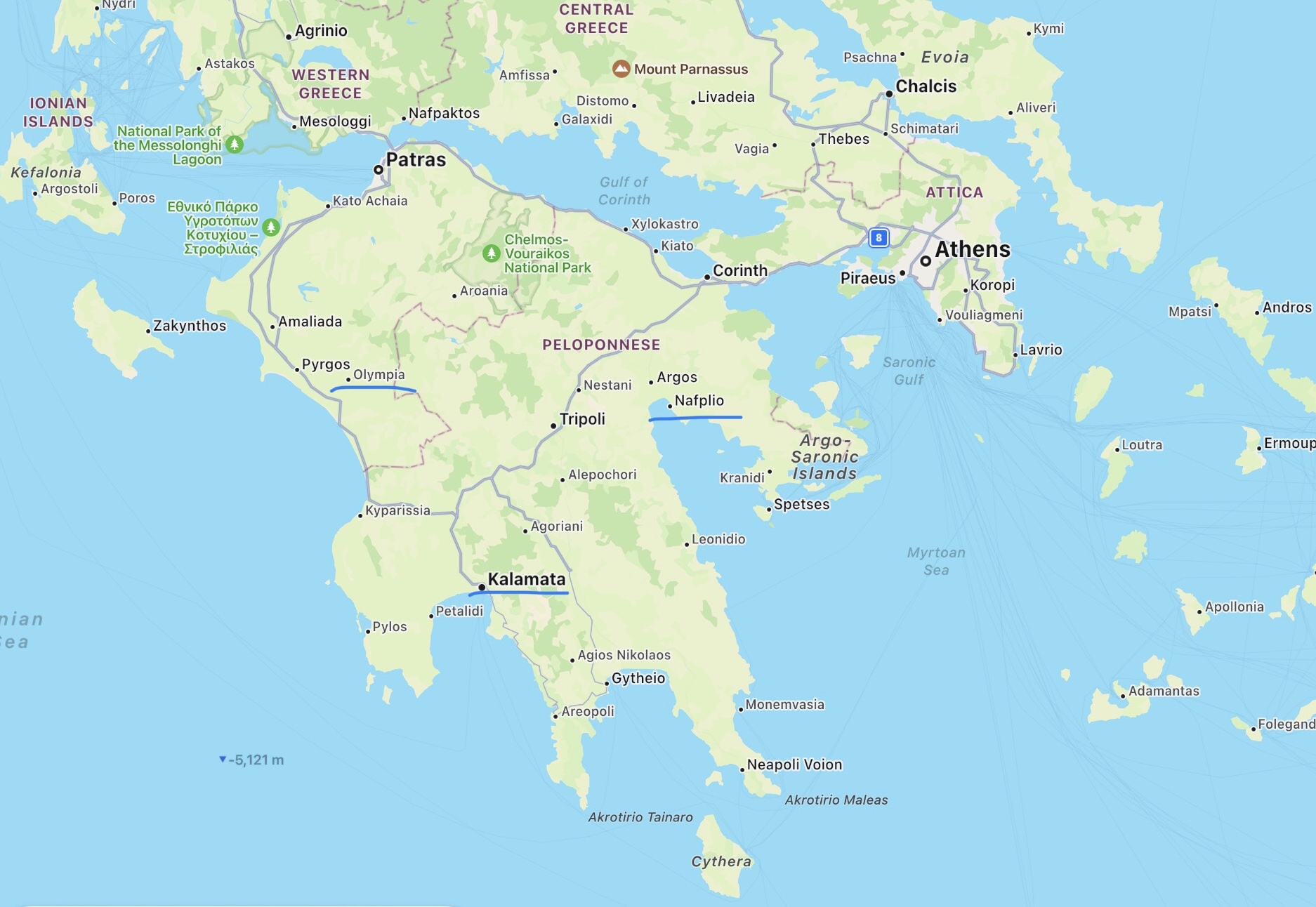
Olympia, Nafplio, Mycenae, Epidaurus, Mystras
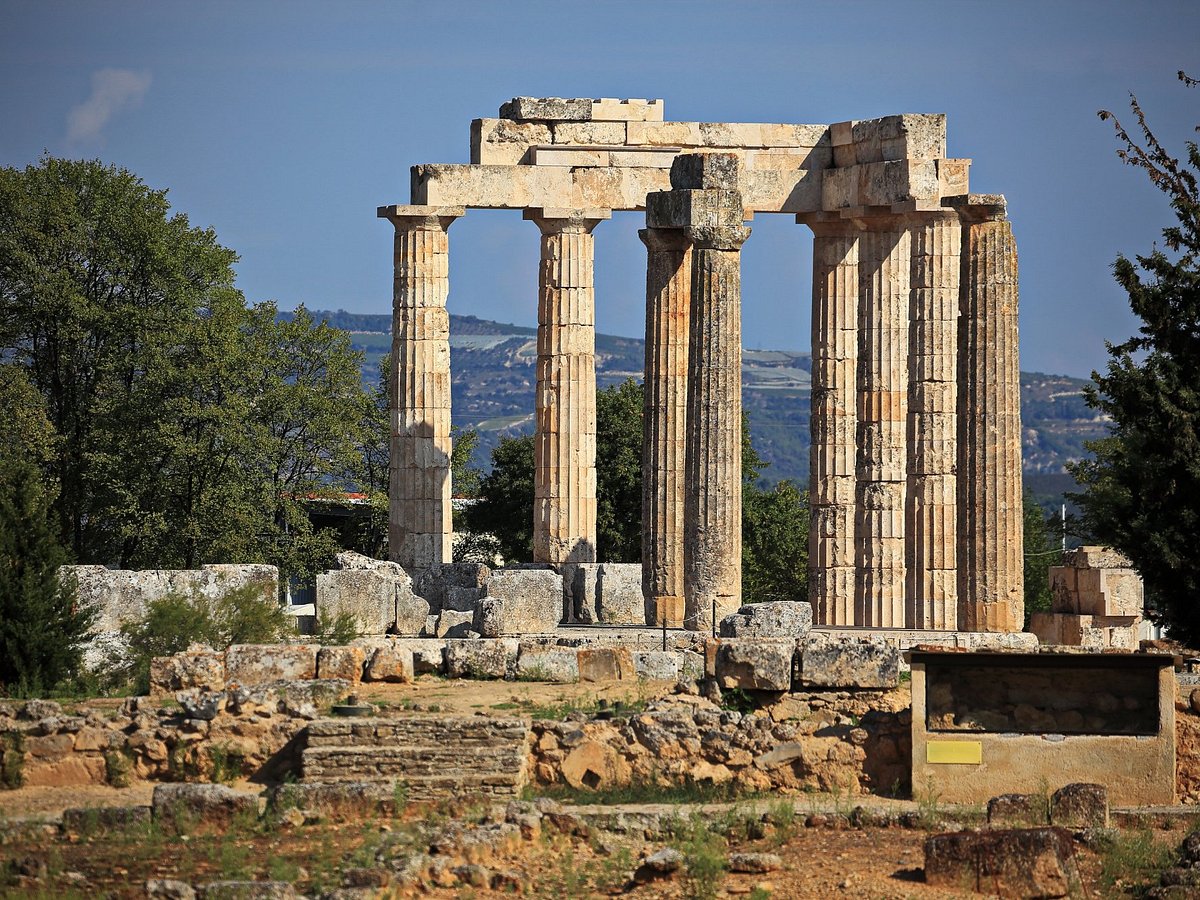
The Olympic games originated in Ancient Olympia, situated in north western Peloponnese, in the city state of Elis. They were held from 776 B.C. to about 393 B.C. The games were part of a religious festival that honoured Zeus, and the name Olympics was derived from Mount Olympus, home of the Greek Gods. The Games were a central part of Greek life, and major affairs, including wars, were often scheduled so as not to interfere with the event! The site was in proximity to the Temple of Zeus, the Temple of Hera and a large stadium as well as training grounds. The ruins of these structures are now a Unesco World Heritage site.
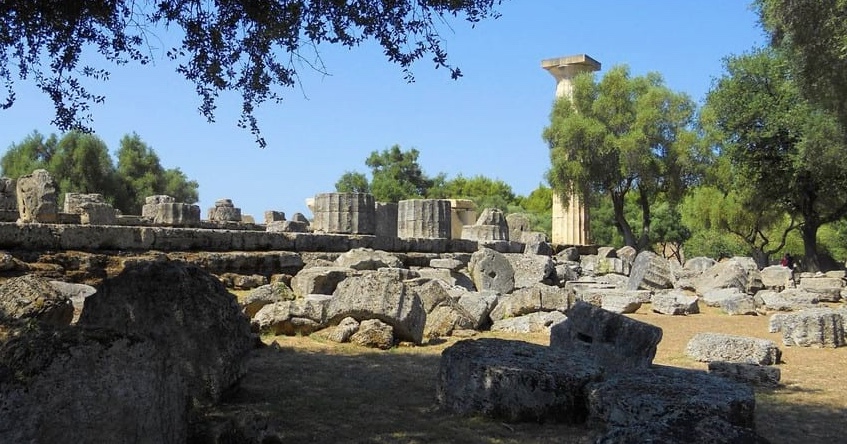
The ancient Olympic Games were initially a one-day event until 684 B.C., when they were extended to three days. In the 5th century B.C., the Games were extended again to cover five days. The ancient Games included running, long jump, shot put, javelin, boxing, pankration and equestrian events. The games were abolished in 393 AD by Emperor Theodosius I, followed by destruction from earthquakes and floods.
All Greek men would be united every four years so that everyone could take part in these games in the true spirit of sportsmanship. Olympia is now, as it used to be in the past, a famed destination, a powerful landmark known the world over. The flame for the modern Olympics is still lit at the temple of Hera and then travels to the host country.
Olympia:
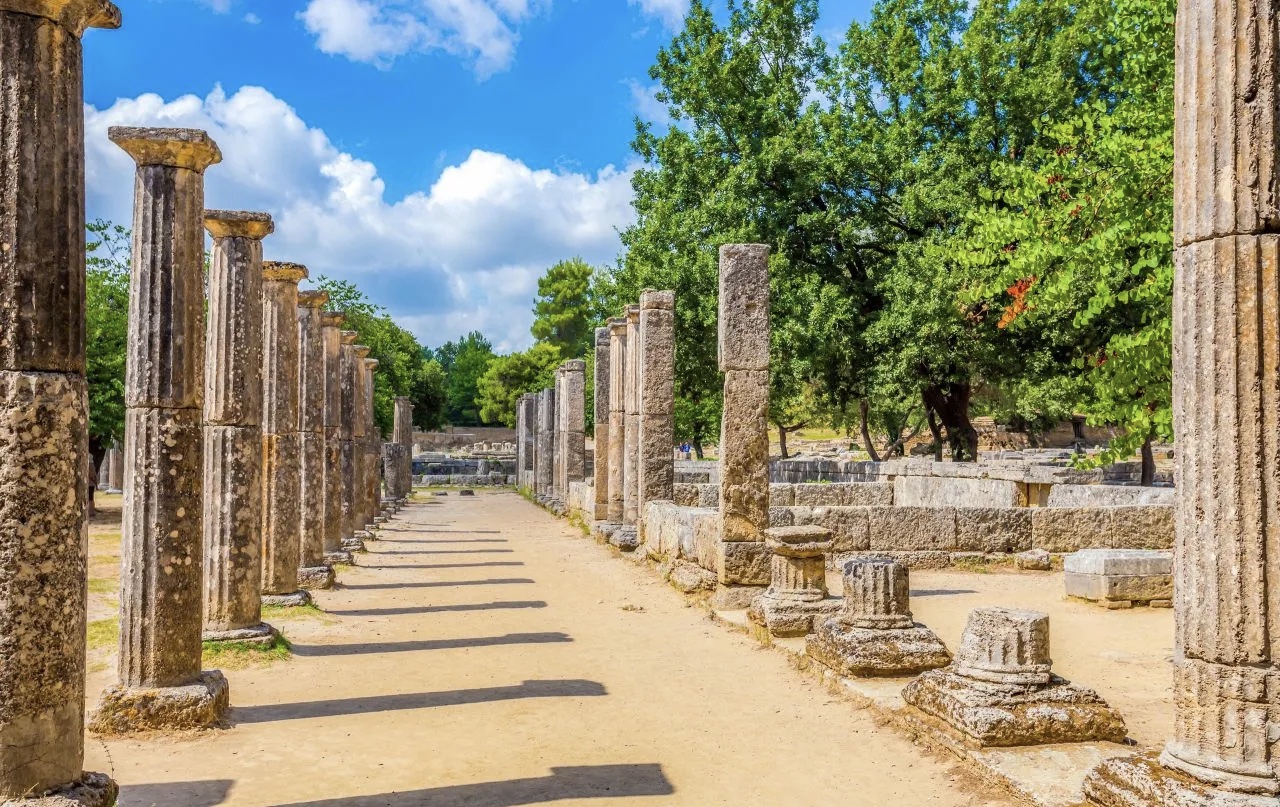
The top Olympic site in the Peloponnese is Ancient Olympia, the birthplace of the Olympic Games. It features the ancient stadium, and the ruins of the Temple of Zeus, and the Temple of Hera. Other key sites include the Museum of the History of the Olympic Games and the Archaeological Museum.
The museum is the most interesting place since it hosts stunning pieces found at excavations in the ancient site and the region of Olympia, such as the Statue of Hermes of Praxiteles and the Nike of Paionios.
Nafplio:
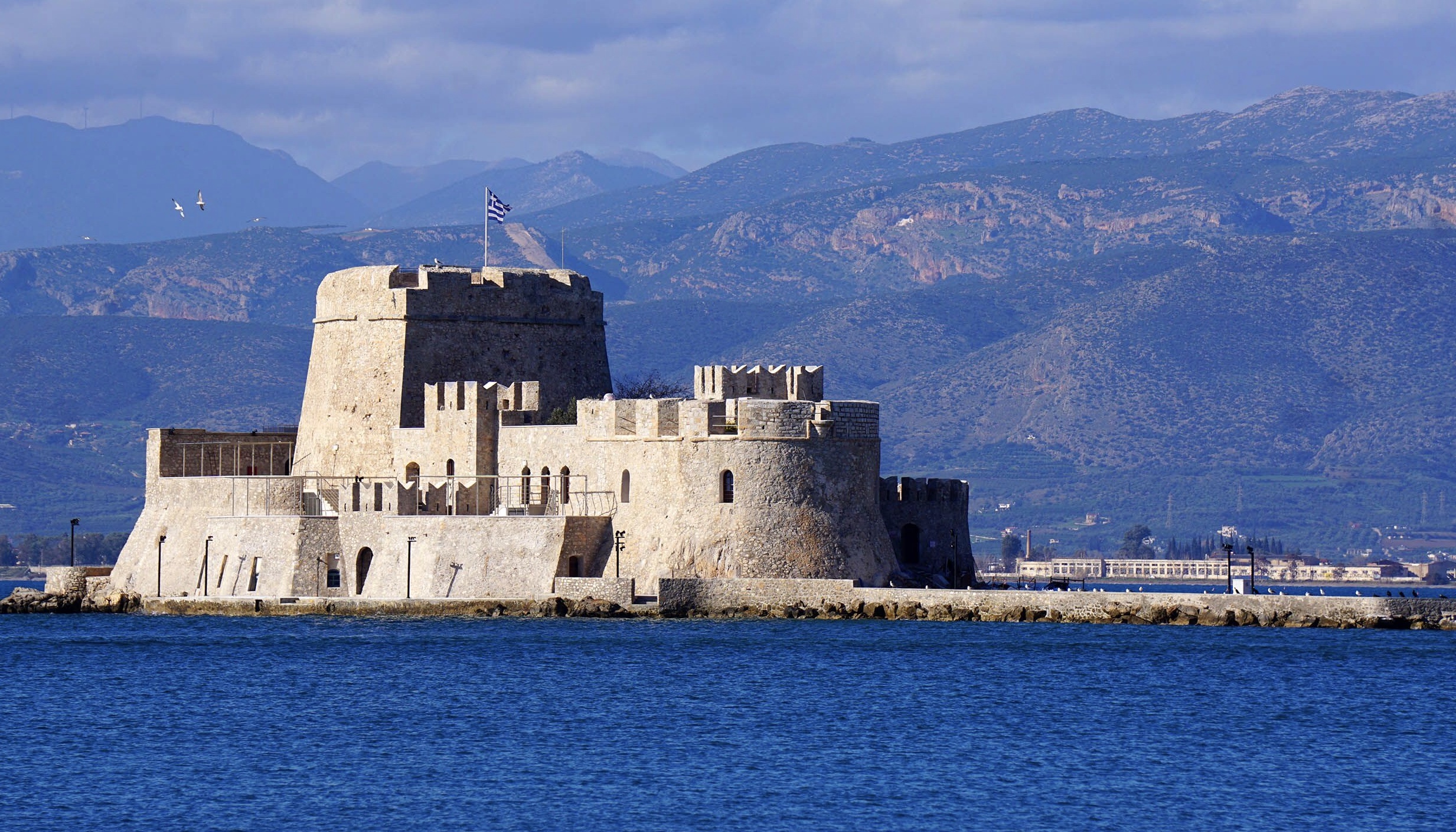
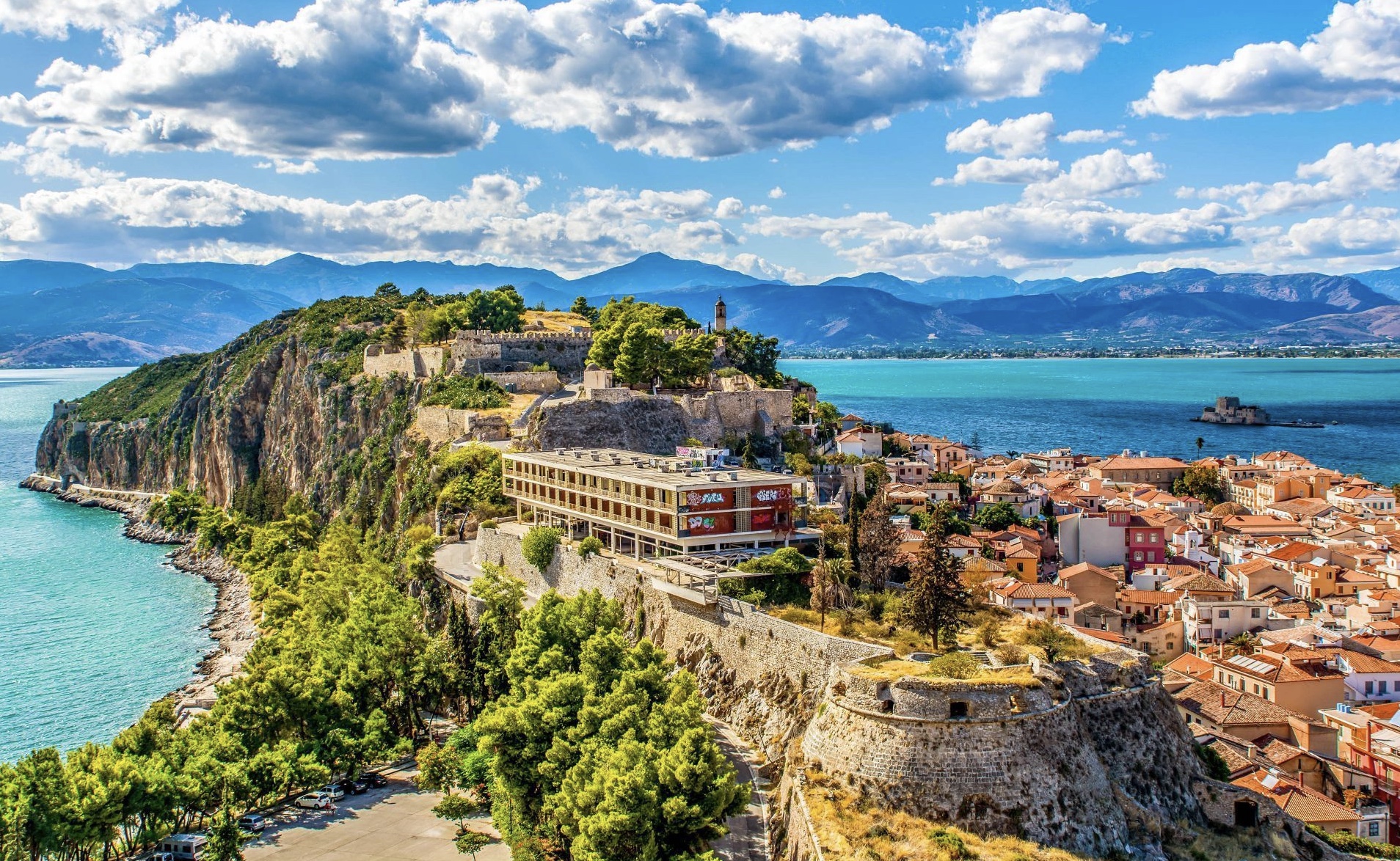
Nafplio is a beautiful town in eastern Peloponnese, close to important archaeological sites such as Mycenae and Epidaurus. This was also the first capital of Independent Greece. That is why many historical sights can be seen in the town, including the Palamidi Fortress on a hilltop and the Bourtzi Castle on an island. Due to its enchanting Medieval style and the many lovely beaches around, this is a popular weekend destination from Athens. The Old Town is delightful to walk around, with elegant mansions and large squares.
Mycenae:
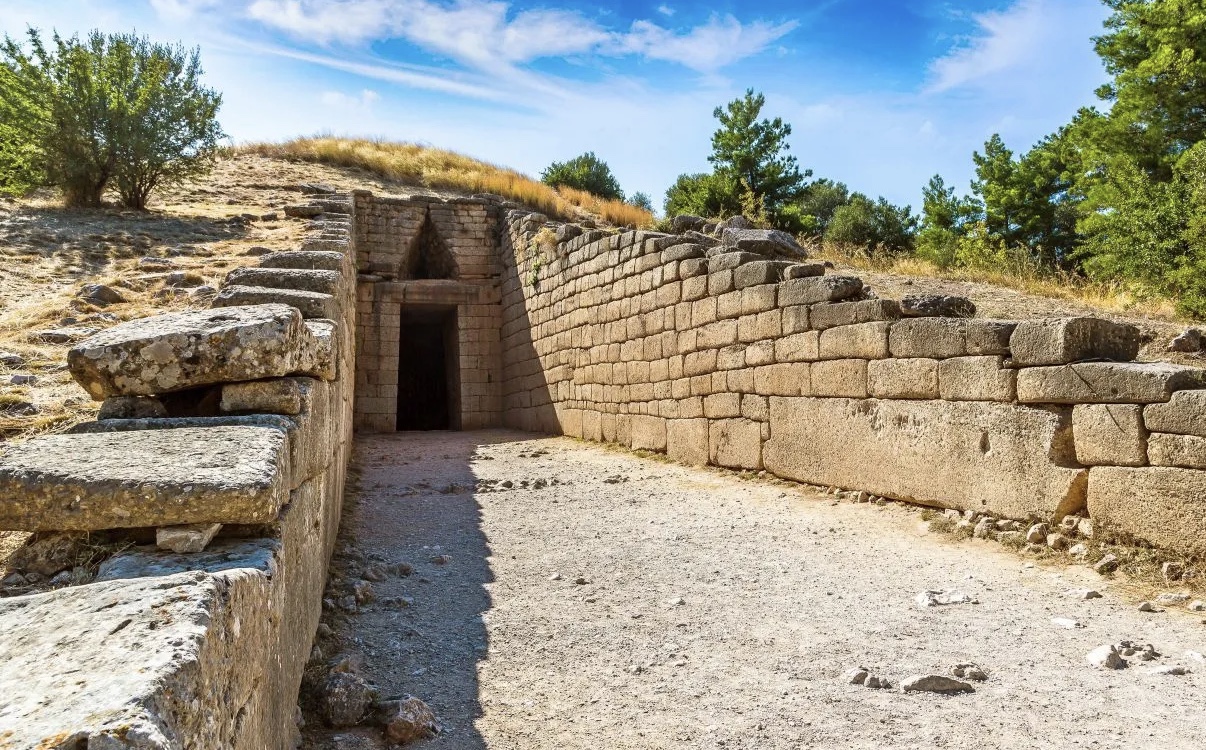
A day trip from Nafplio to Mycenae can be made to visit the archaeological sites in this town. Mycenae gave its name to an entire civilization, the Mycenaean civilization, that flourished from about 1,600 to 1,000 BC. Although this civilization expanded to the entire country, the center was Mycenae, the kingdom of the legendary king Agamemnon, ruler of the Greeks in the Trojan War. The ancient town was surrounded by gigantic walls, while the most famous spot is the Lion Gate, the entrance to the town with two female stone lions above. The treasury of Atreus and the Museum are some of the other attractions.
Epidaurus:
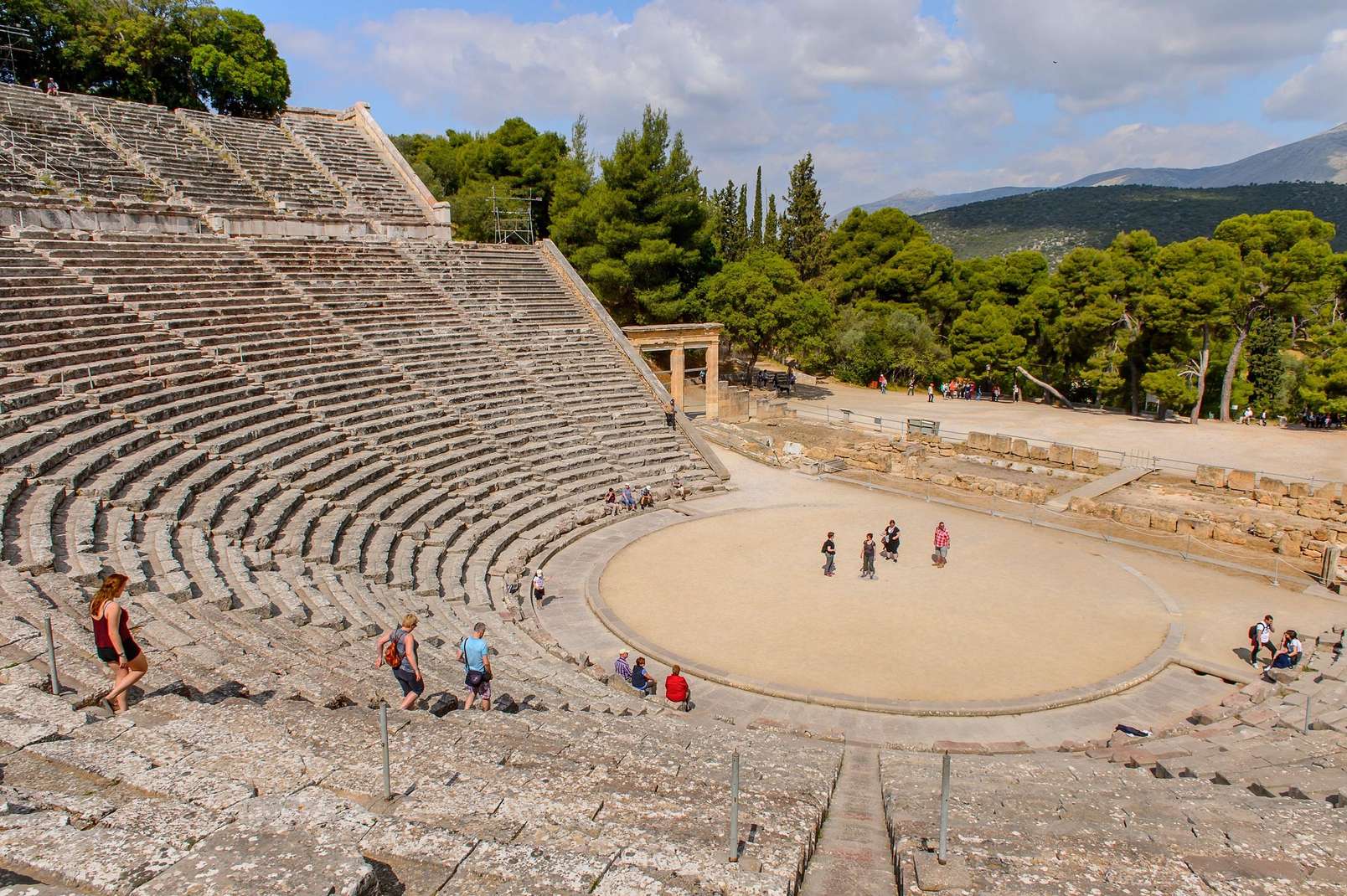
Epidaurus is a renowned UNESCO World Heritage site in the Argolis region, famous for its exceptionally well preserved 4th century B.C. Ancient Theatre. The theatre is celebrated for its perfect acoustics and symmetry. Built around 340-333 B.C., it holds roughly 14,000 spectators and still hosts classical Greek drama in the summertime. It was built in those days to host religious ceremonial events in honour of god Asklepios. Other interesting sites are the Sanctuary of Asklepios (a healing center in ancient times named after the God of medicine), the Ancient Stadium, the Archaeological Museum and some monasteries.
Mystras:
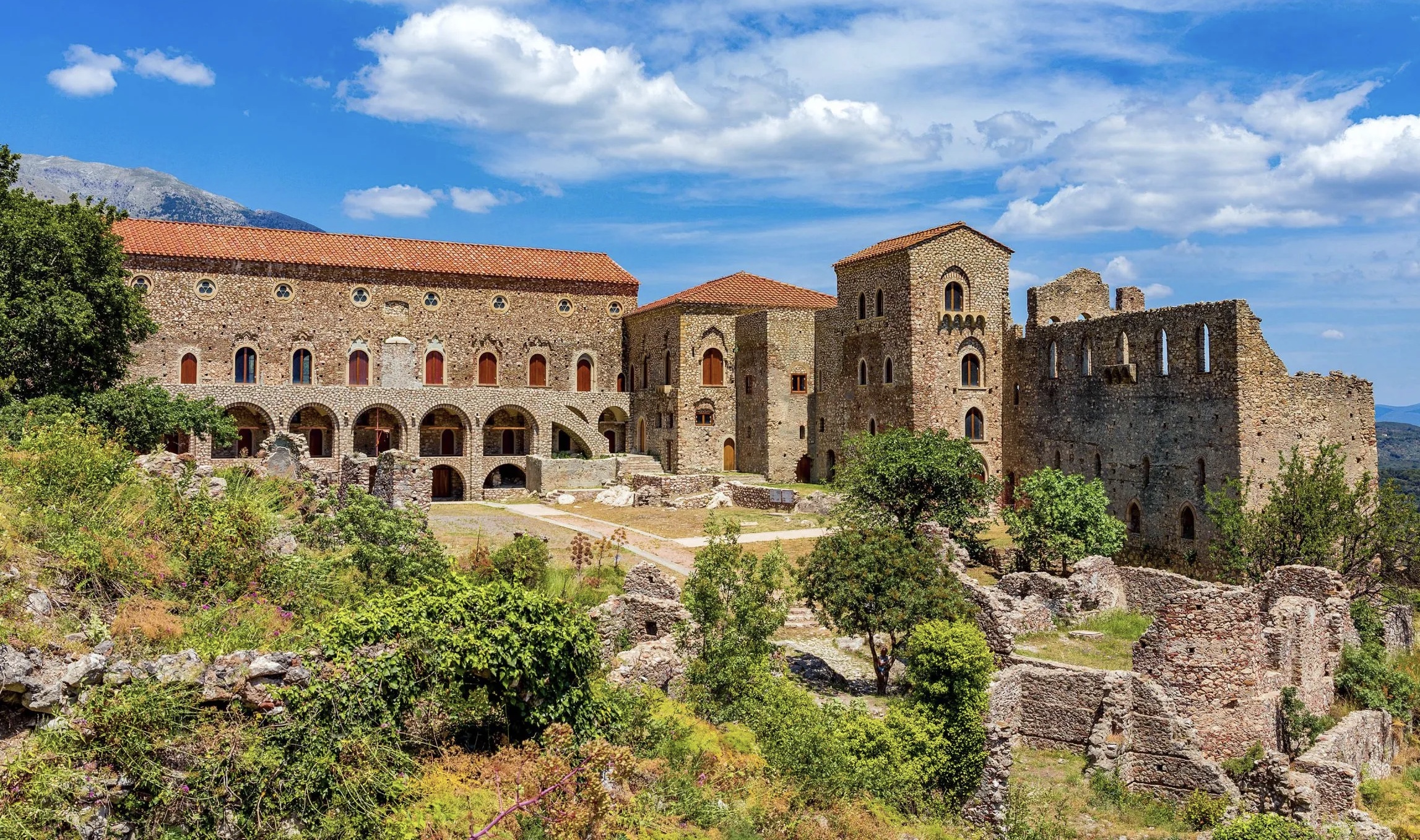
Mystras is a fortified Byzantine city, and a UNESCO World Heritage site, known for its well-preserved medieval ruins and frescoes. Founded in 1249, it was the intellectual and cultural capital of the Byzantine Empire and a powerful symbol for the rulers.
The main archeological attractions are The Castle, The Palace of Despots, the Byzantine period Churches and Monasteries and the Archeological Museum.
Olives and Olive Oil in the Peloponnese:
The Peloponnese region is the heart of Greek olive oil production, accounting for 65% of the country's output. Featuring a Mediterranean climate and rocky soil, it is home to millions of olive trees, including ancient, centuries-old groves. Key varieties like Kalamata (table olives) and Koroneiki (for olive oil) are very special, resulting in the high quality of Greek olives exports.
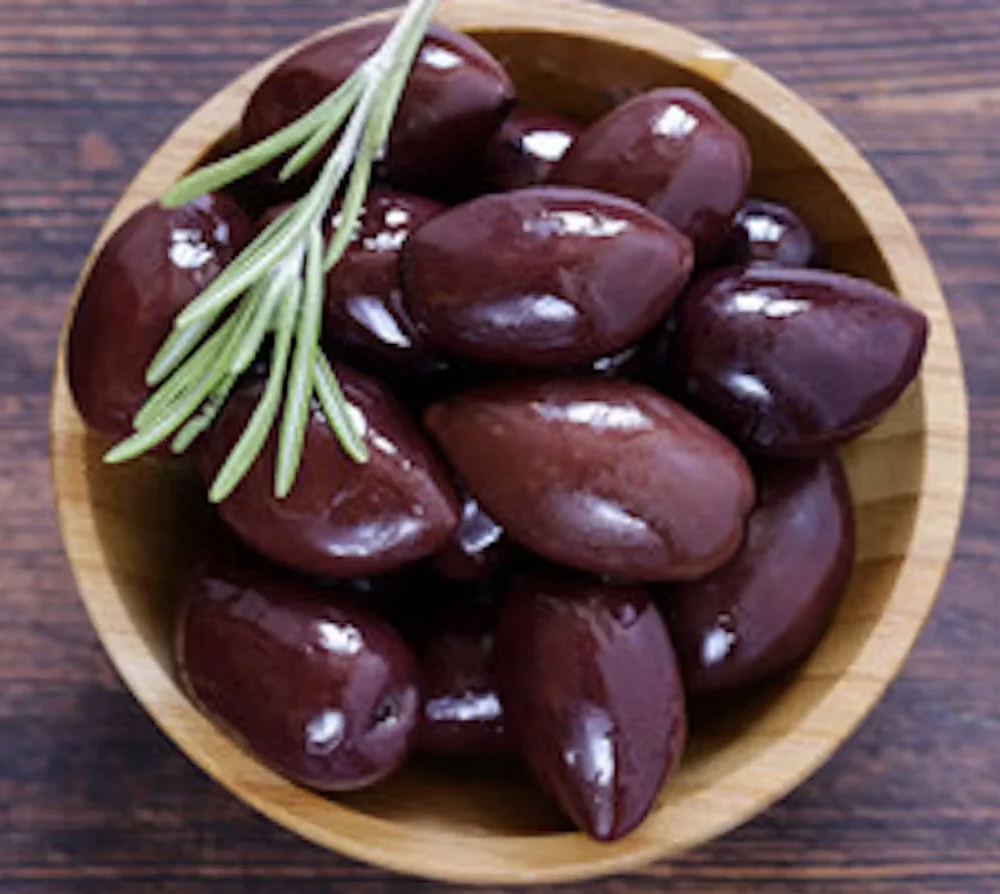
Kalamata Olives from the Peloponnese are world-renowned. They are deep purple in colour with a shiny finish, almond-shaped table olives known for their rich, fruity flavour and firm, meaty texture. Grown primarily in the Messinia and Laconia regions, they are typically hand-picked, cured in brine or red wine vinegar and used as table olives due to their size and texture. Being rich in antioxidants and healthy fats, they are a staple of the Mediterranean diet. The region around the town of Kalamata is a designated PDO for these olives.

The small green coloured Koroneiki olives have an exceptional flavour and are high in oil content. The oil produced from them has low acidity and an exciting flavourful taste. They are full of nutrients and especially prized for being rich in antioxidants. Hence they are known to produce one of the highest quality EVOO in the world. The olive is named after the village of Koroni in the Peloponnese region.
Kalamata: