Scotland: Tee off on the Links
Scotland is the spiritual home of golf. For golf enthusiasts all over the world, visiting Scotland is like a pilgrimage. The earliest recorded history of golf in Scotland is from the 15th century. The game known in its present form was invented there, based on another similar sport played in continental Europe. By the18th and 19th century, it gained a lot of popularity in Great Britain and then in the United States.
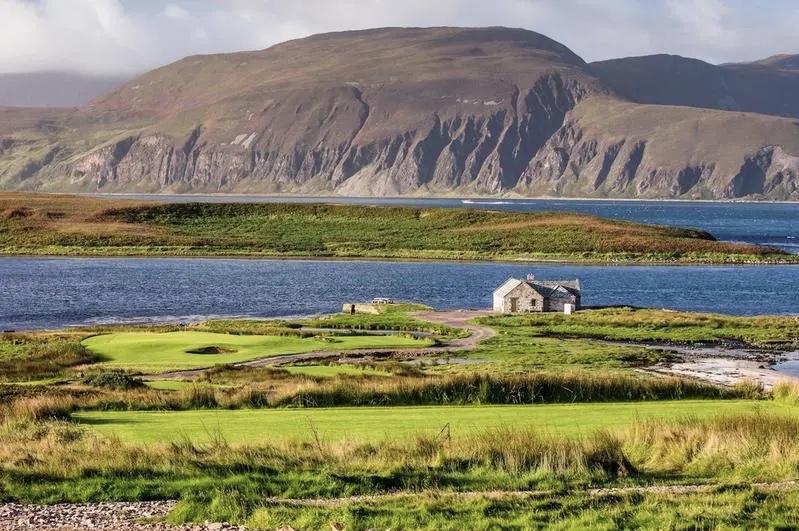
There are around 550 courses at present in Scotland and about 25 of them are ranked in the top 100 golf courses in the world! Considering the size and population of the country, it is the highest concentration of great golf anywhere, which makes it very accessible to any player visiting the country.
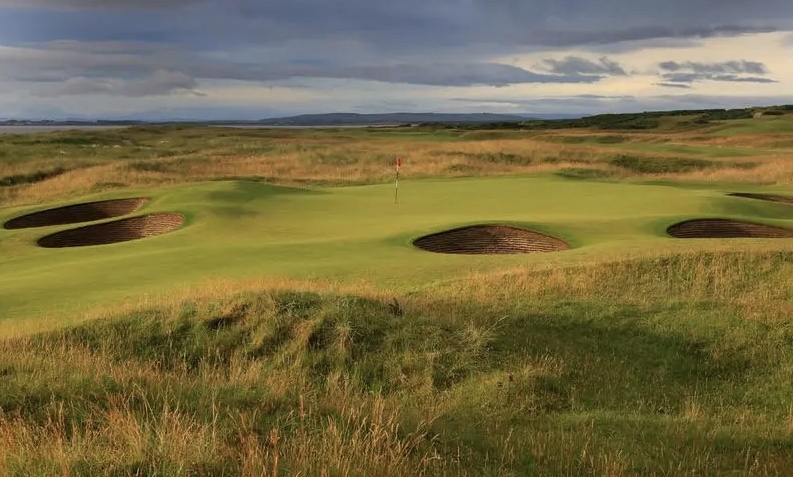
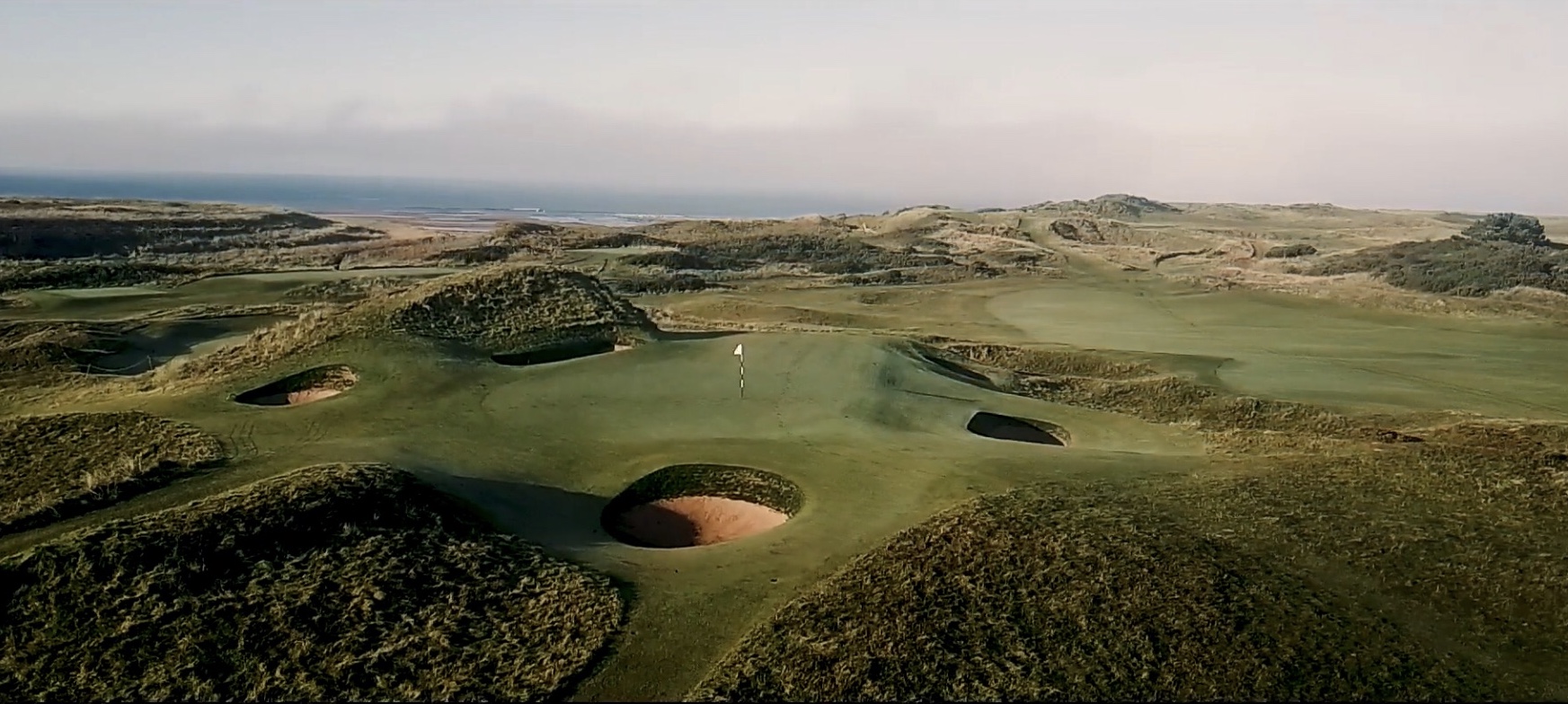
The type of golf courses that developed at the beginning in Scotland were the ‘links’ type of courses. There was a lot of sandy coastal land available in Scotland, with dunes and undulating surface, which was unsuitable for farming. But there was short, sturdy grass growing on it, and together with the firm soil, it provided a good ‘running’ type of course for the players. Due to the nature of the terrain, the natural drainage was very good too, and so, early golf developed on these links courses in Scotland. Today, some of the most famous courses are still the links courses.
A few popular ones are listed here:
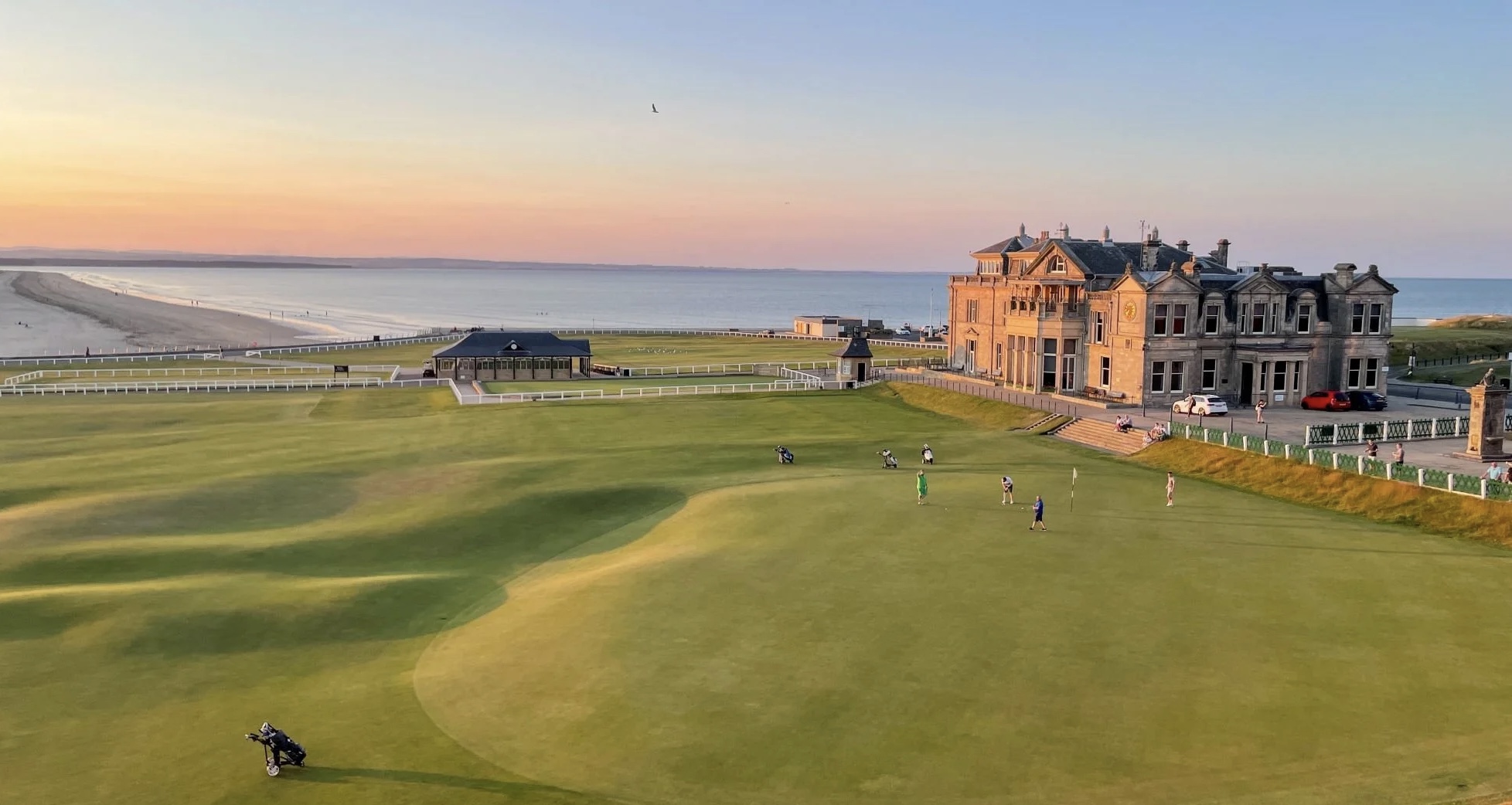
The Old Course at St Andrews, located in Fife, Scotland, is considered the “Home of Golf” and is one of the oldest and most famous golf courses in the world. Golf has been played on the links at St Andrews since the early 15th century. It has been host to ‘The Open’ championship 30 times, the most of all the courses.
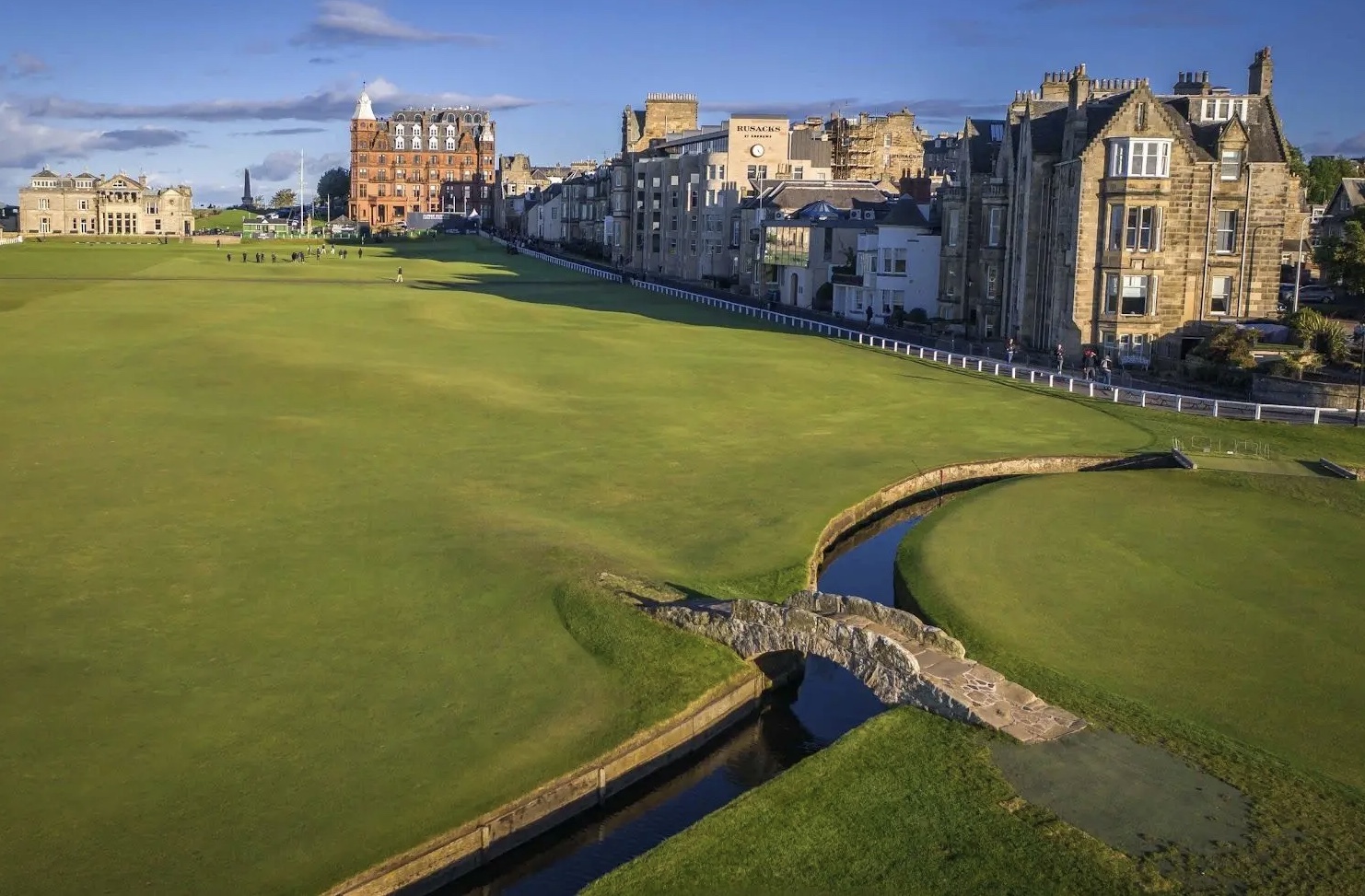
The course evolved naturally over time, without a single architect. Still, the uniqueness and individuality of some of its holes sets it apart from all other courses. Later some designers did make some changes to the course. Today, the trust manages seven public courses and additional facilities including a golf academy, three clubhouses and five shops.
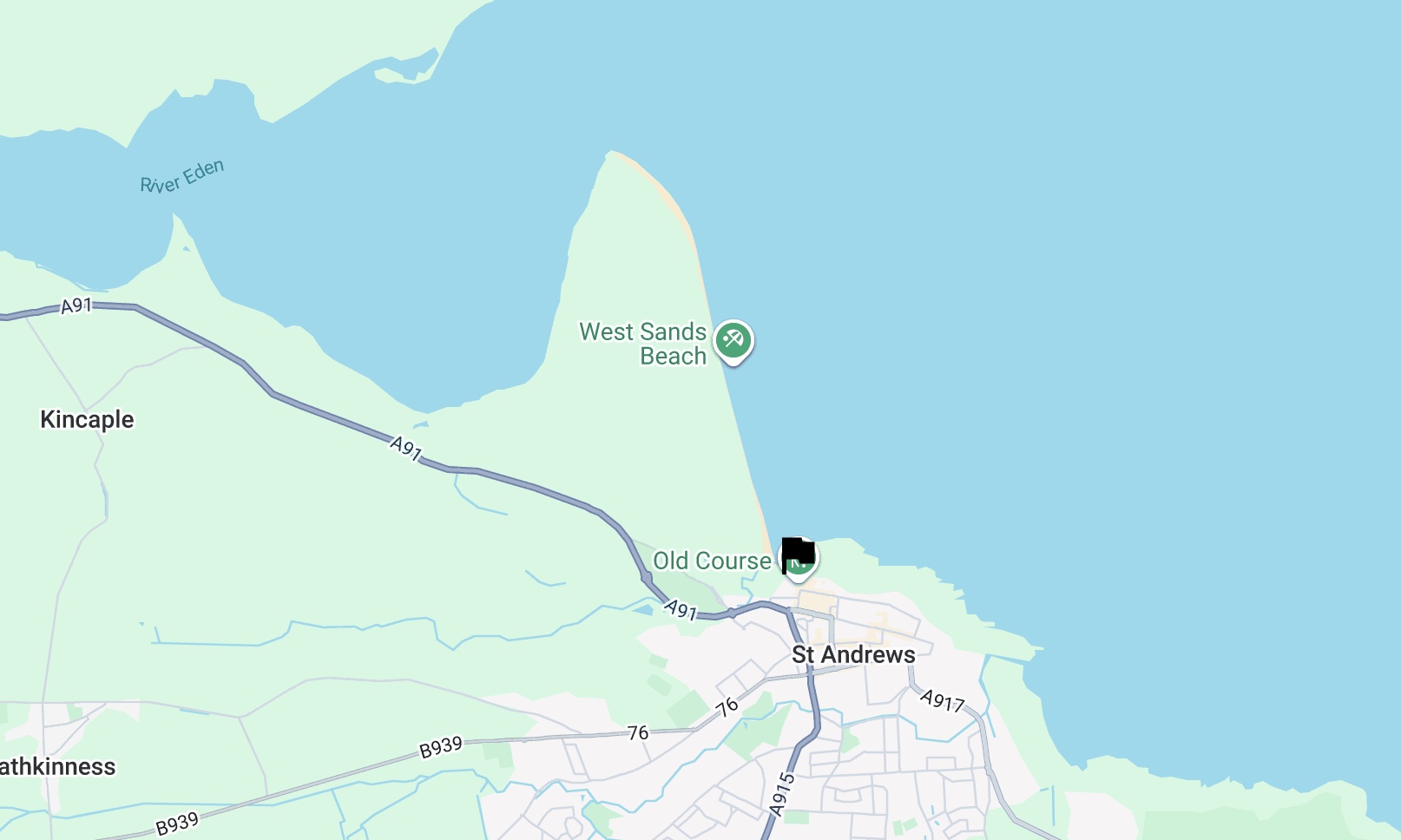
Golf is never easy at St. Andrews. It is a very deceptive layout, and brings shivers even to a reasonably experienced golfer. But, to be on the course is a privilege. Some of the most famous holes are:
Hell Bunker: Located on the par-5 14th hole, this massive bunker is a feared and famous hazard on the course.
The Road Hole (17th): The 17th is arguably one of the most famous and difficult holes in golf. It features the “Road Hole Bunker,” a deep bunker with a public road and a wall that runs behind the green, which is in play.
Swilcan Bridge: This small, stone bridge over 700 years old is one of the most photographed spots in golf. Originally built for shepherds to move livestock, it has become a symbolic landmark for golfers finishing their round on the 18th hole.
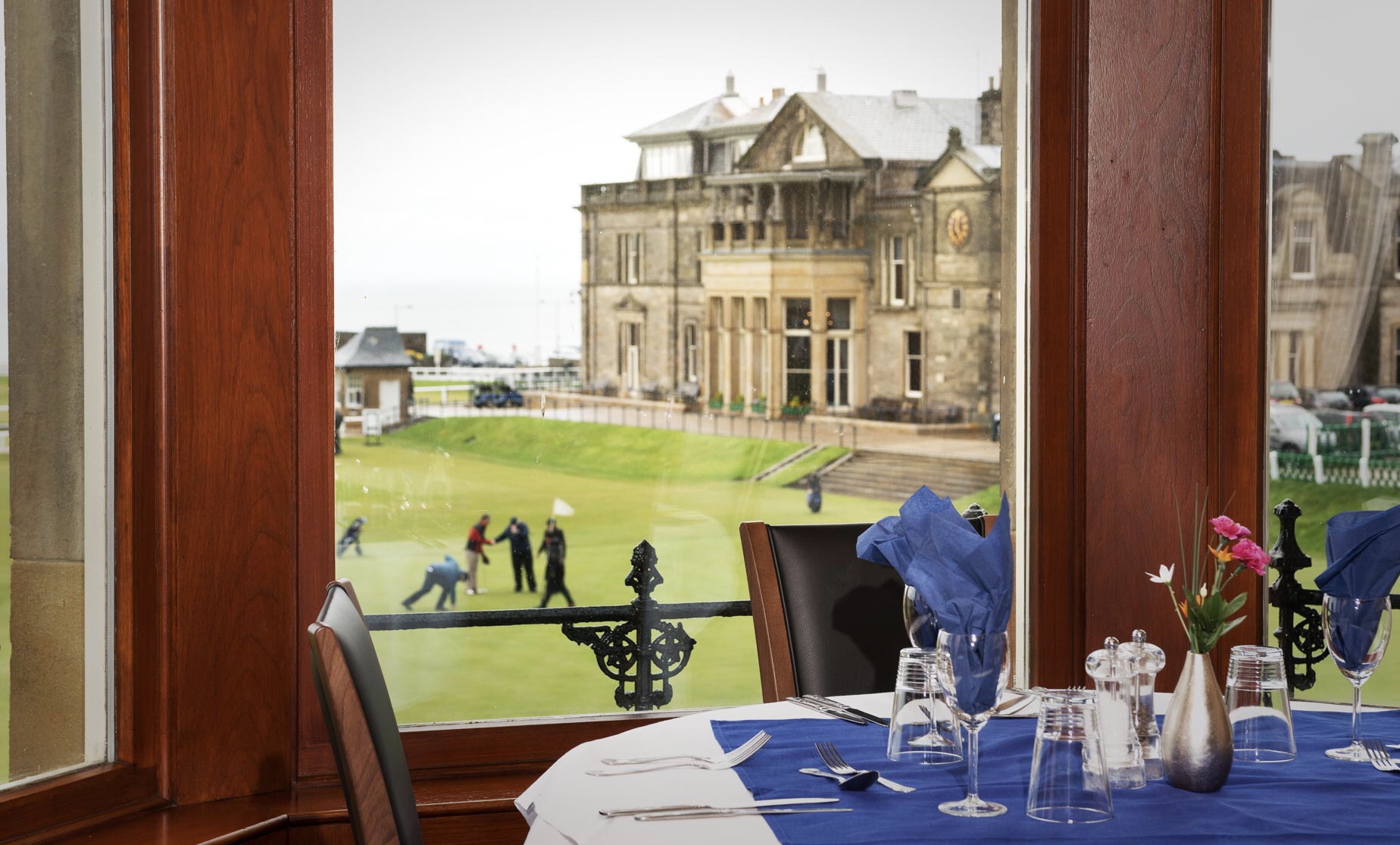
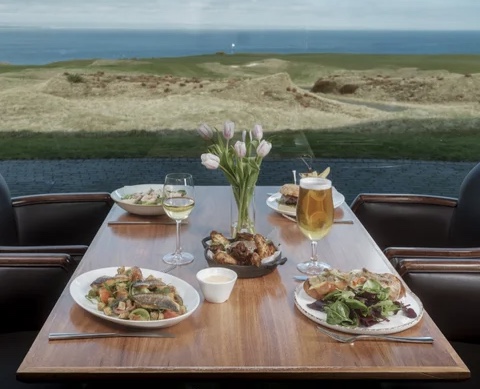
To satisfy the culinary cravings, there are 2 restaurants and a cafe as well as other dining options in the Links Club house as well around the first and halfway tees.
The Tom Morris Bar & Grill is a Scottish produce driven casual dining restaurant with a real sense of history and authenticity.
One can enjoy Scottish gastropub classics sitting at the Rock and Spindle. It has panoramic views over the Castle course to the rugged Fife coastline.
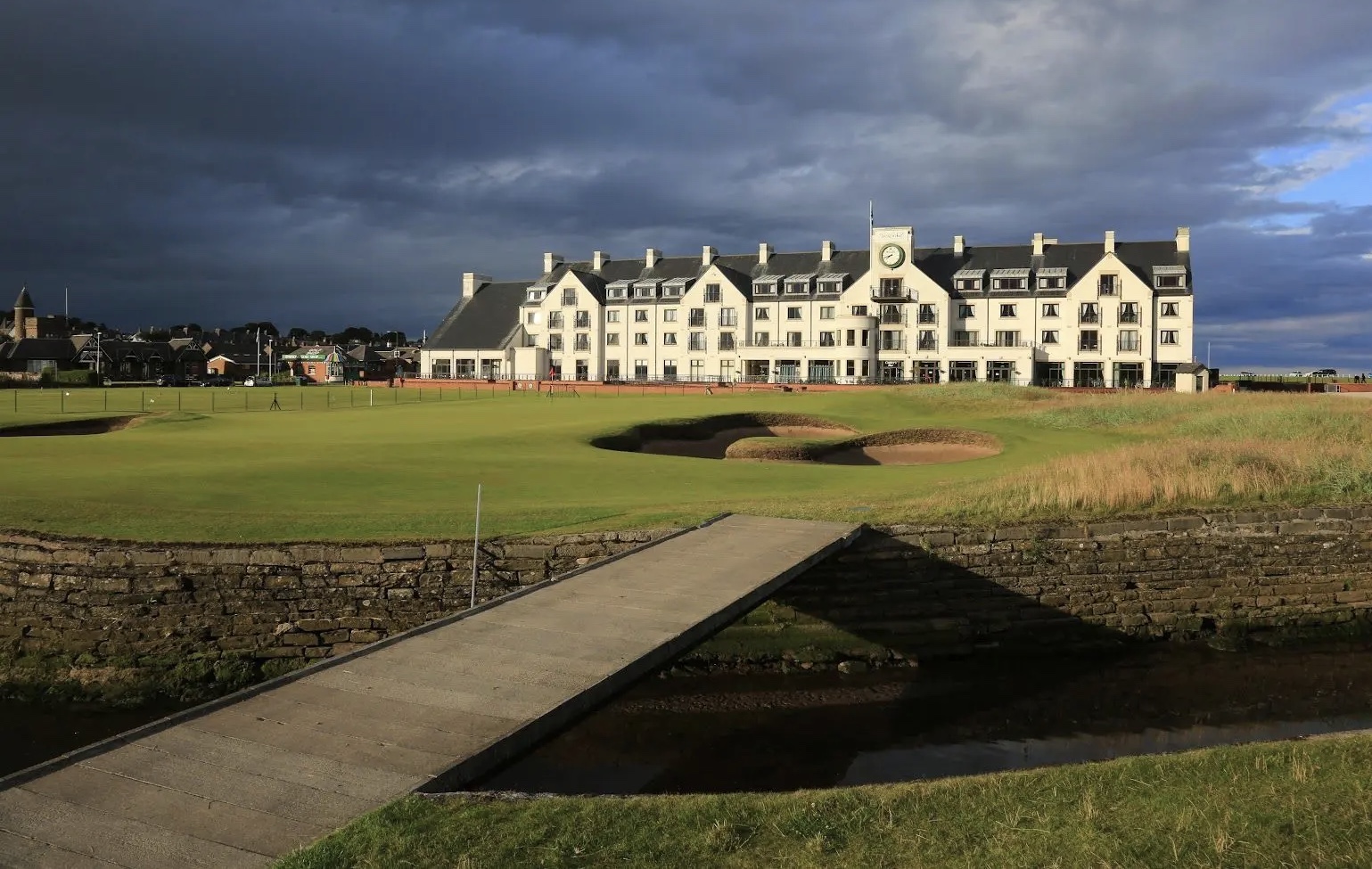
Carnoustie golf course in Carnoustie, Angus, Scotland is a world famous classic links course. Golf has been played at Carnoustie since at least the early 16th century. They have three courses at present and have had the honour of hosting ‘The Open’ on 8 occasions. The Championship Course is known for its length and requires both power and accuracy. It is considered to be one of ‘the most difficult’ courses in the world!
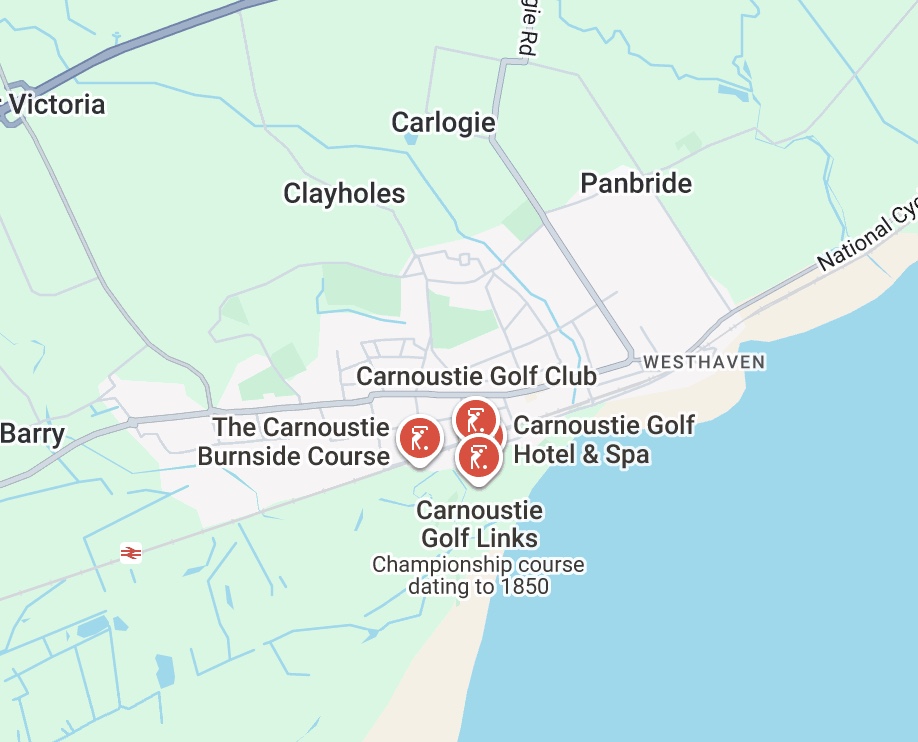
An initial 10-hole course was laid out by Allan Robertson in 1842. This was later expanded to 18 holes by the legendary Old Tom Morris in 1867. The course as it's known today largely took its shape after a major redesign by golf architect James Braid in 1926, which made it ready for The Open Championship. Further modifications were made over the years, including a significant renovation before the 1999 Open.
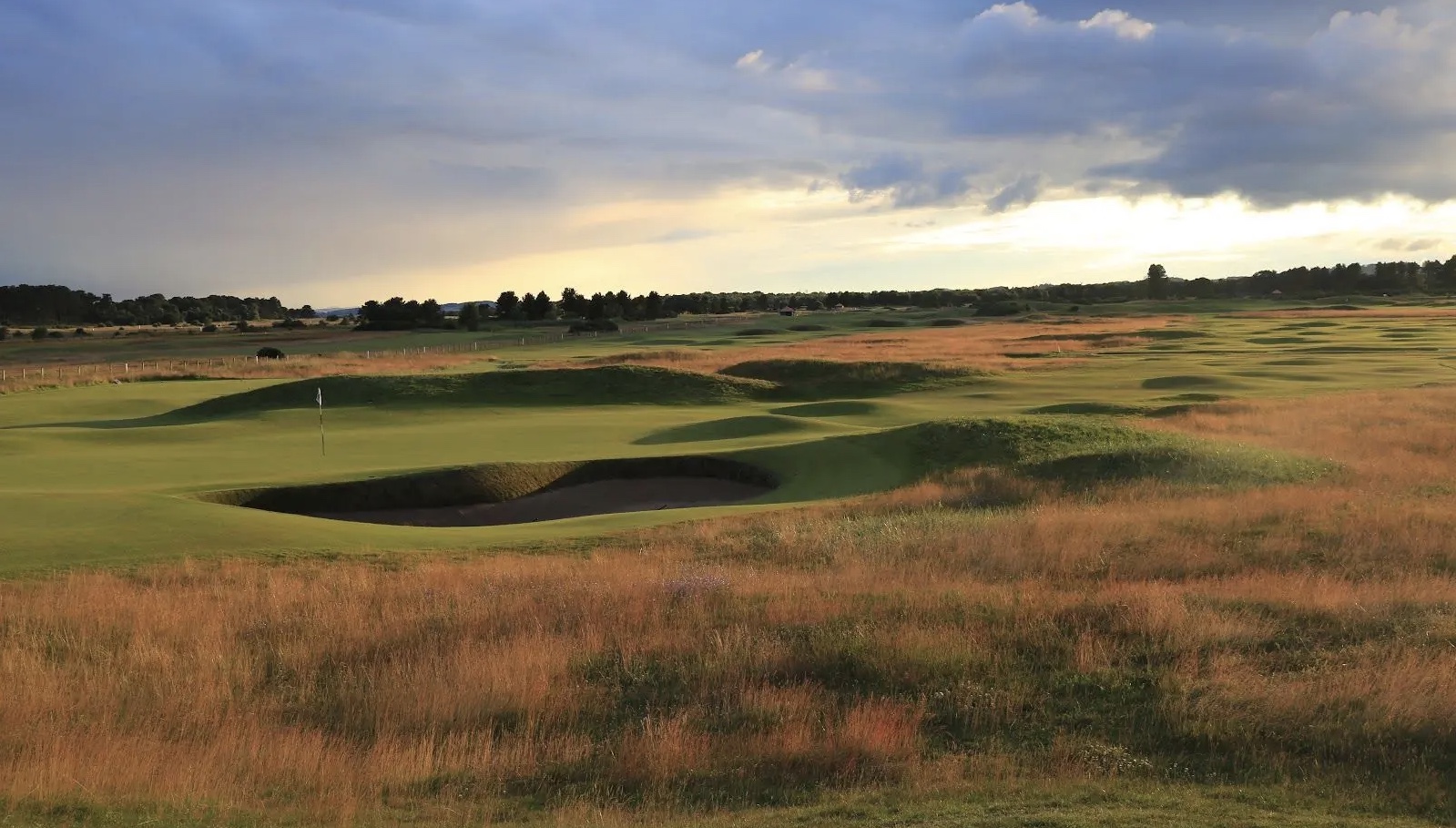
Much has been written about Carnoustie over the years. Many consider it has one of the greatest back nines in championship golf. The course is peppered with strategically placed and deep pot bunkers, which are considered formidable for any golfer.
The par 5 -6th measures 520 yards from the white tees and is regarded as one of the world’s best holes. It is named “Hogan’s Alley”, after the immortal Ben Hogan who won the Open Championship in 1953. Two fearsome looking bunkers lie waiting in the middle of the fairway and a third bunker to the right hand side ensures that the tee shot is daunting.
The 15th, 16th and 17th are considered the world over to be three of golf’s very best closing holes. ‘Lucky Slap’, ‘Barry Burn’ and ‘Island’, as they are known, can play havoc with anyone’s scorecard!
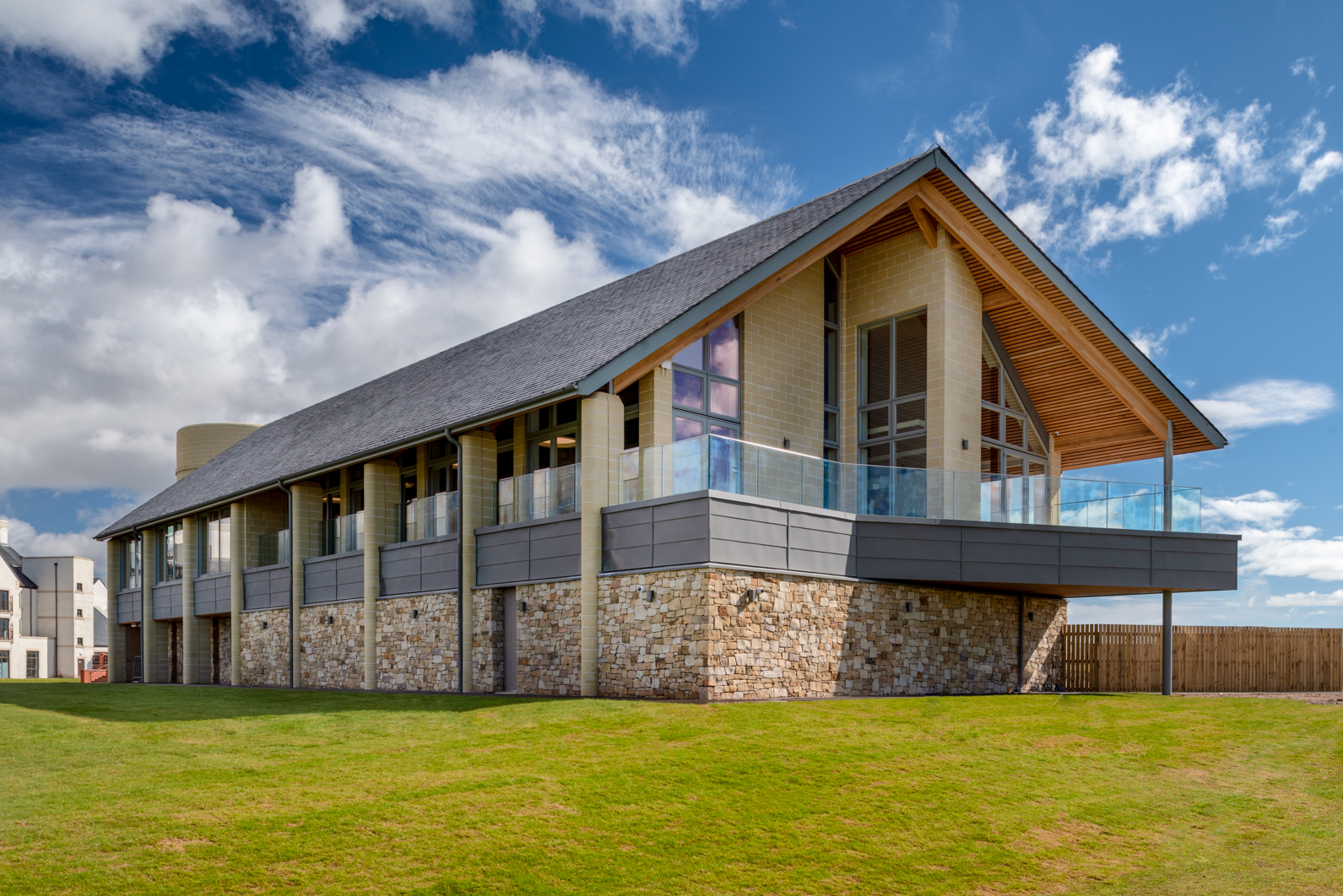
Apart from the golf courses, there is an indoor performance center, a pro shop and a restaurant at the ‘Links House’. The restaurant called ‘The Rookery’ has become as famous as the golf for its culinary experiences. It has stunning views across the course to the sea and showcases the best produce Scotland has to offer.
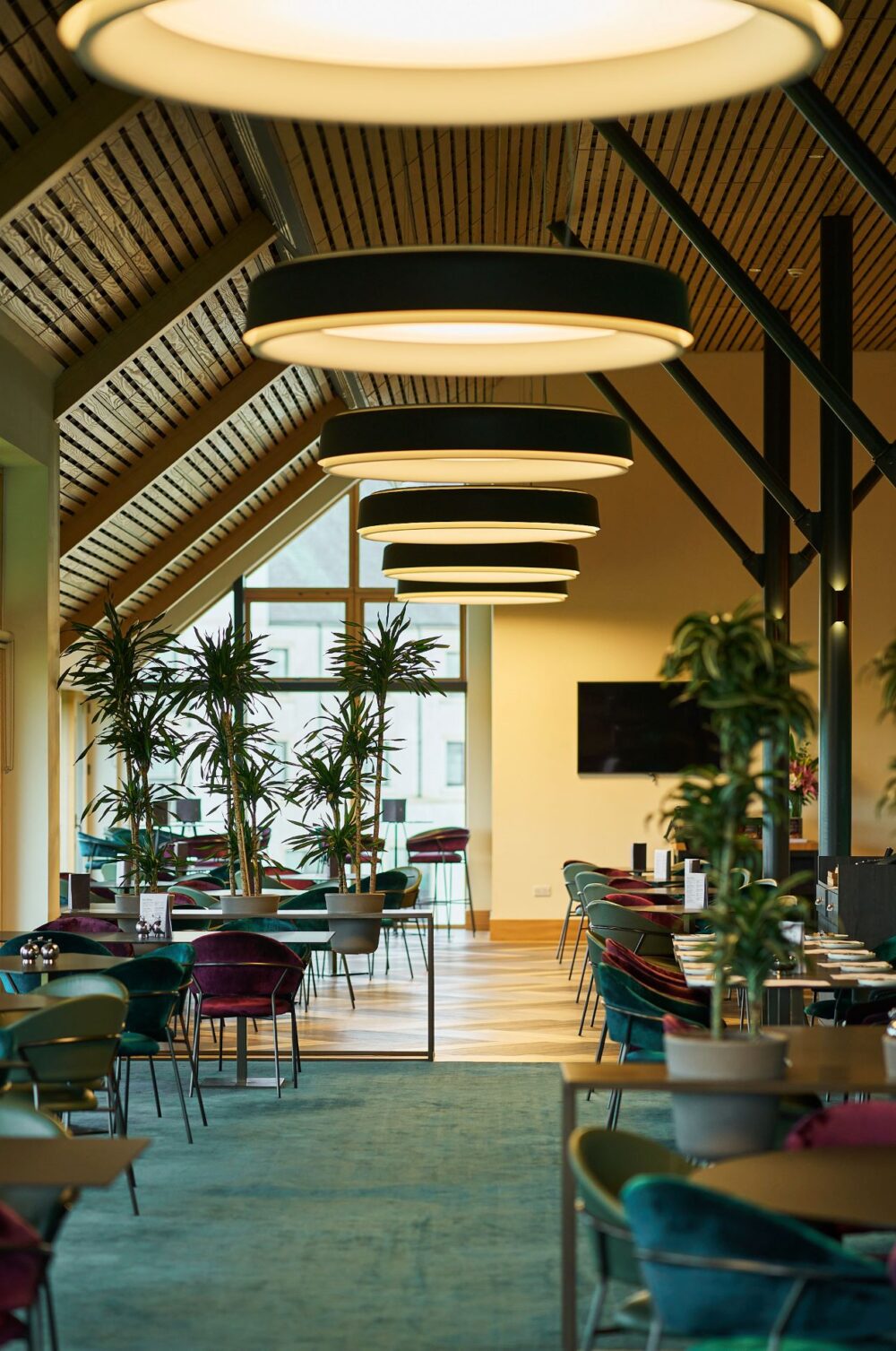
There is an all day menu, a Tapas menu, a desserts menu, a drinks menu and much more. Many of the ingredients are sourced from local, trusted suppliers and offer ‘a true taste of Scotland as it should be, creating dishes that are inventive, beautifully presented and, above all, delicious.’

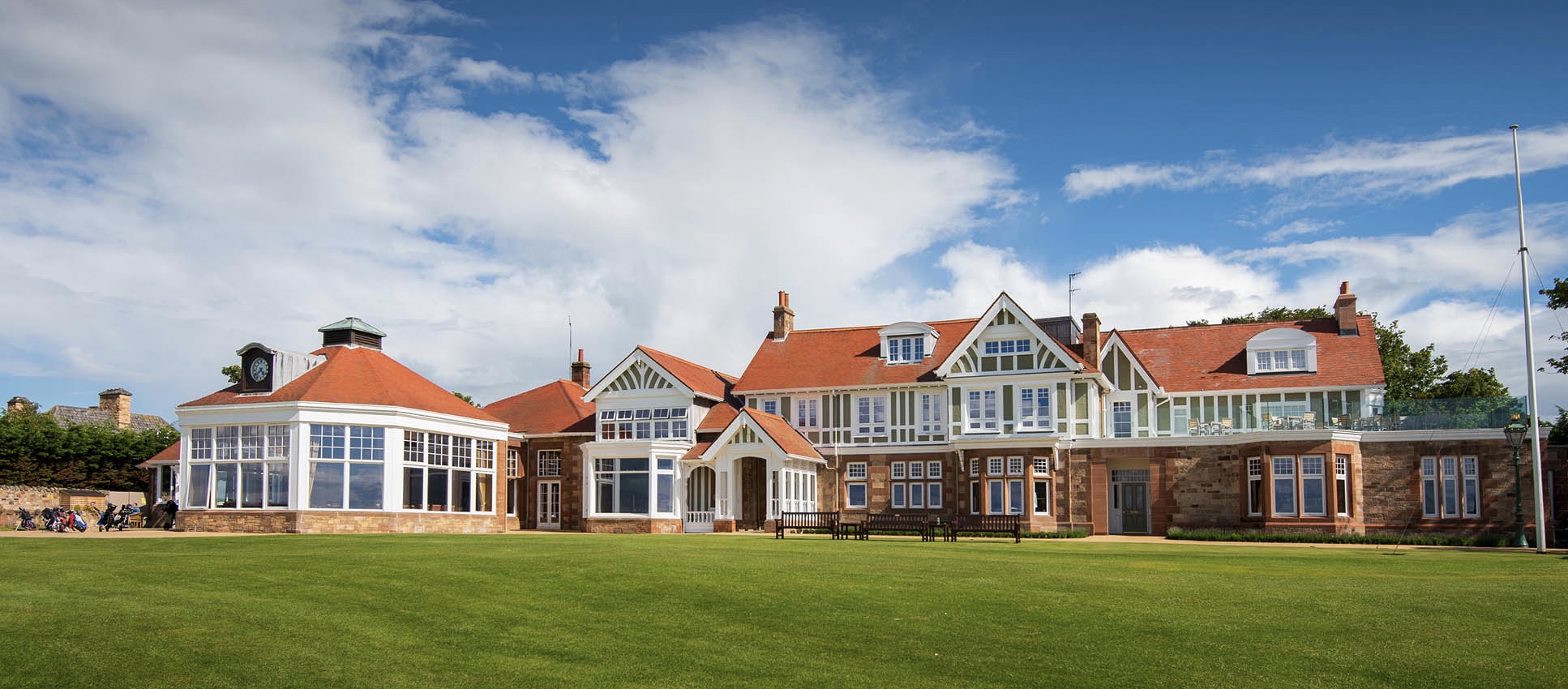
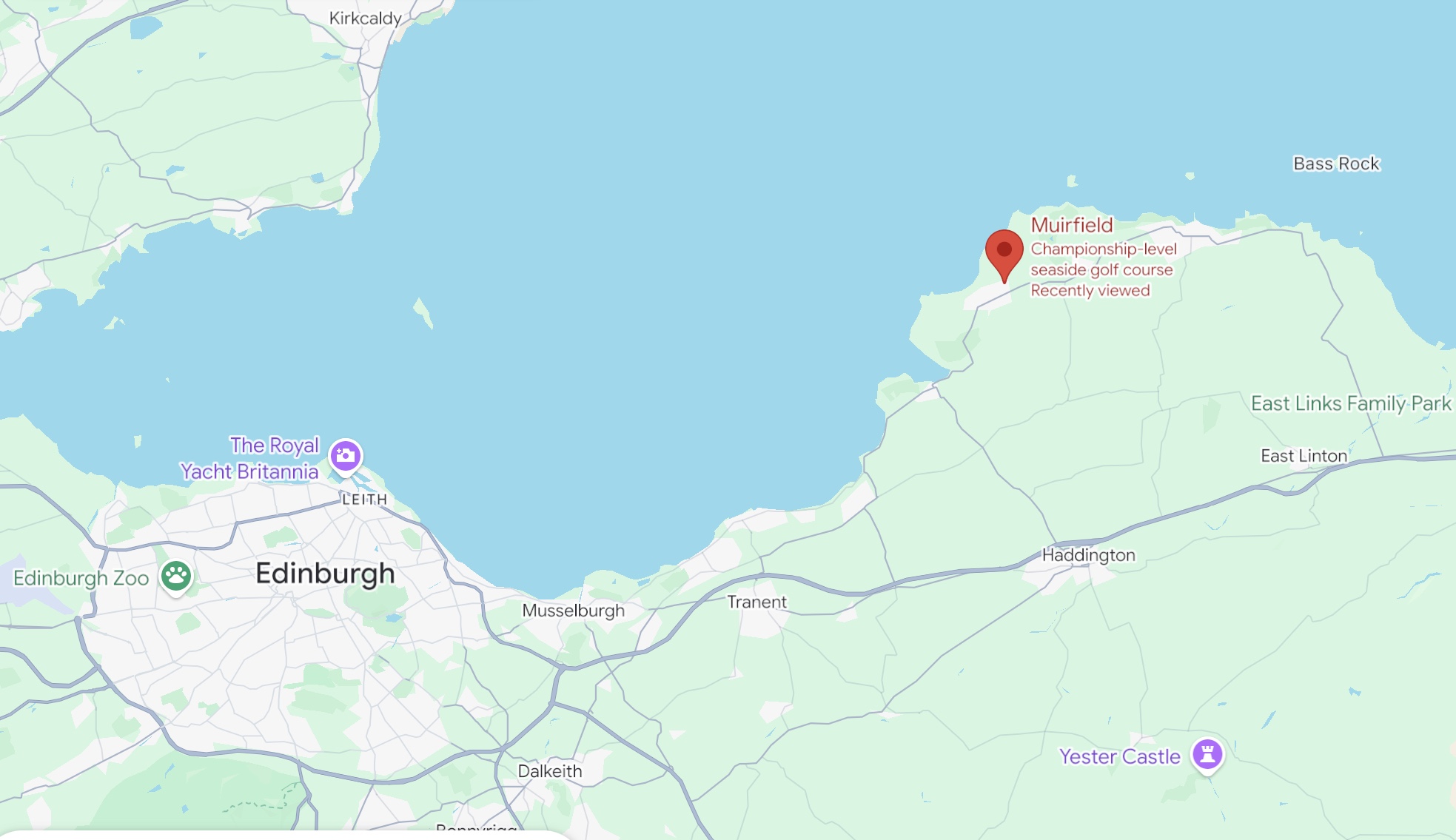
Muirfield is the home of ‘The Honourable Company of Edinburgh Golfer’s’, with history dating back to 1744. The earliest members played at other locations before moving to Muirfield in 1891. The new clubhouse and the course opened that year, and are both still considered iconic in golfing circles. In fact, Muirfield hosted the 32nd Open Championship the following year and since then,15 more Open Championships have been held at Muirfield. Till today, Muirfield remains one of the greatest courses to play globally.
The original course was designed by Old Tom Morris in a limited area of land leased by the club. Following the expansion of the club’s property in 1922, the course was entirely redesigned in 1925 by Harry Colt. After this the Muirfield course stood shoulder to shoulder with the best in the world. It was further enhanced by Tom Simpson in the 1930s and by Martin Hawtree in 2011.
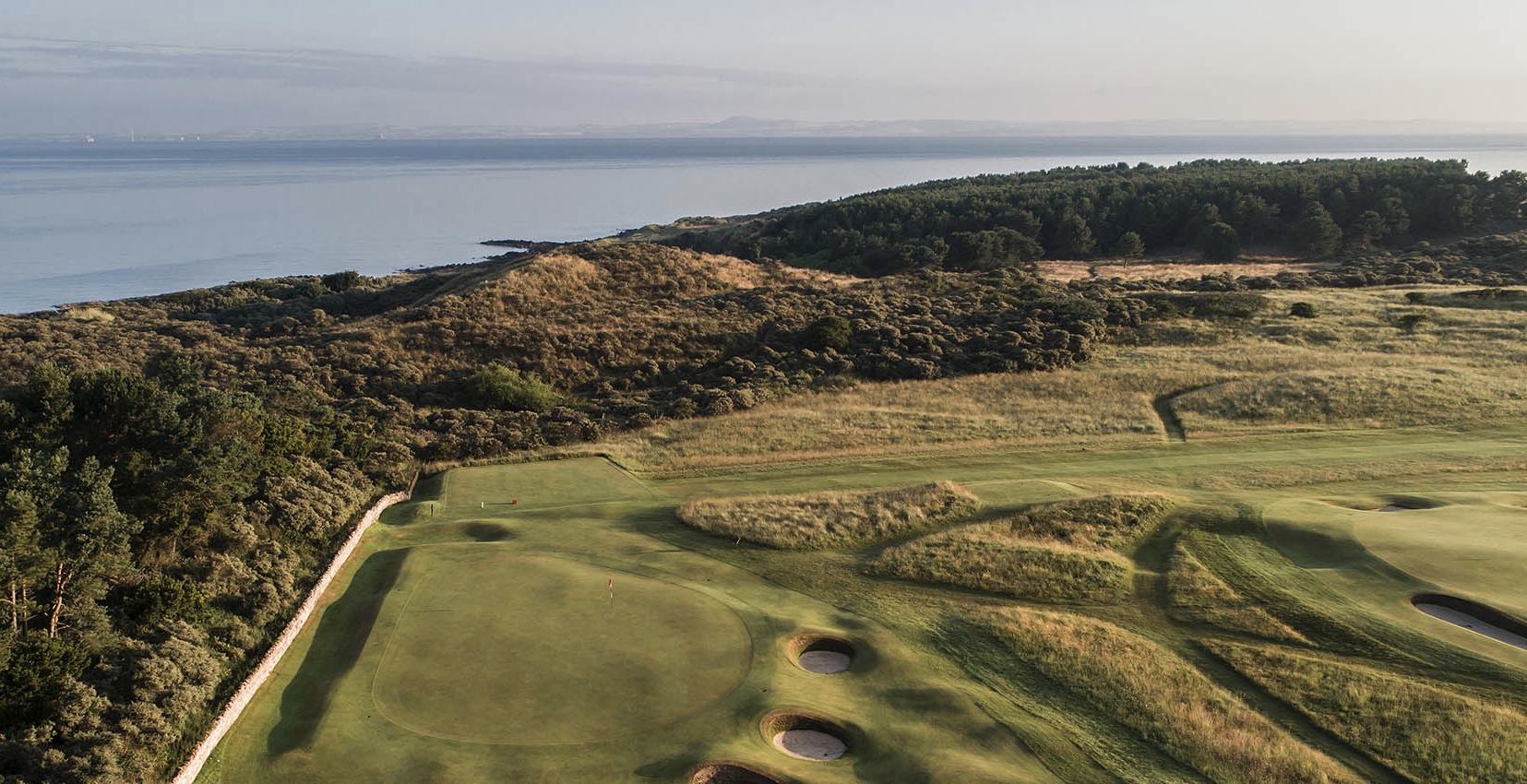
Muirfield is one of the most challenging of the links courses. Its design is unique with the two sets of nine holes facing opposite directions of the wind. That means the conditions are changing all the time, requiring a high level of skill and precision from the players. Its immaculate fairways and undulating greens have witnessed some of the greatest moments in the sport.
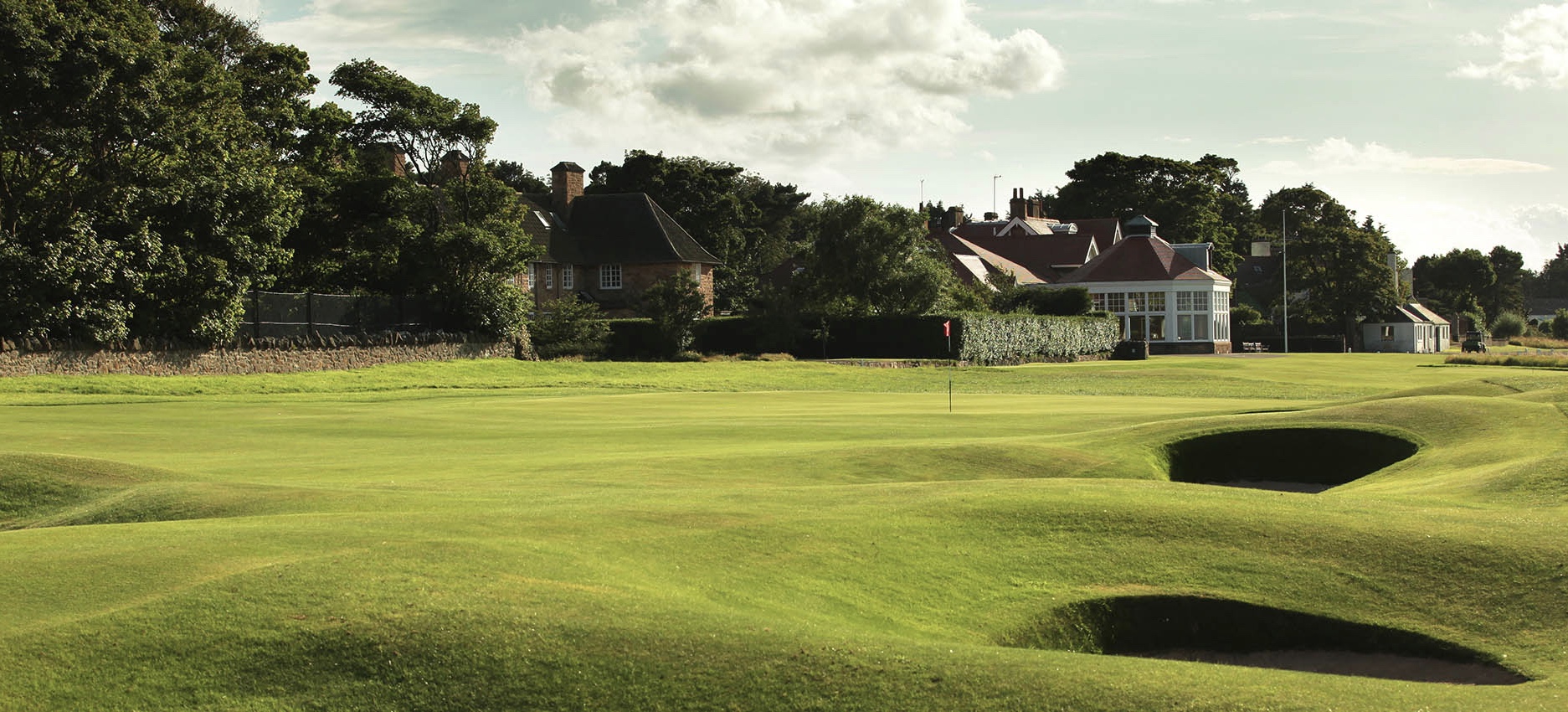
The most difficult holes at Muirfield Village include the 18th which is a long, uphill par-4 hole with hazards on both sides. The bunkers in the fairway and around the green make it one of the most famous finishing holes in the Open Championships.
The 1st is a challenging par-4 with a dogleg that requires a precise tee shot.
The 16th is a long par-3 played over water to a very well bunkered and sloped green. Though a par -3, this is a very tricky hole.
Other particularly difficult holes are the 10th (an uphill par-4) and the 7th (a par-3 with bunkers and a steep slope).
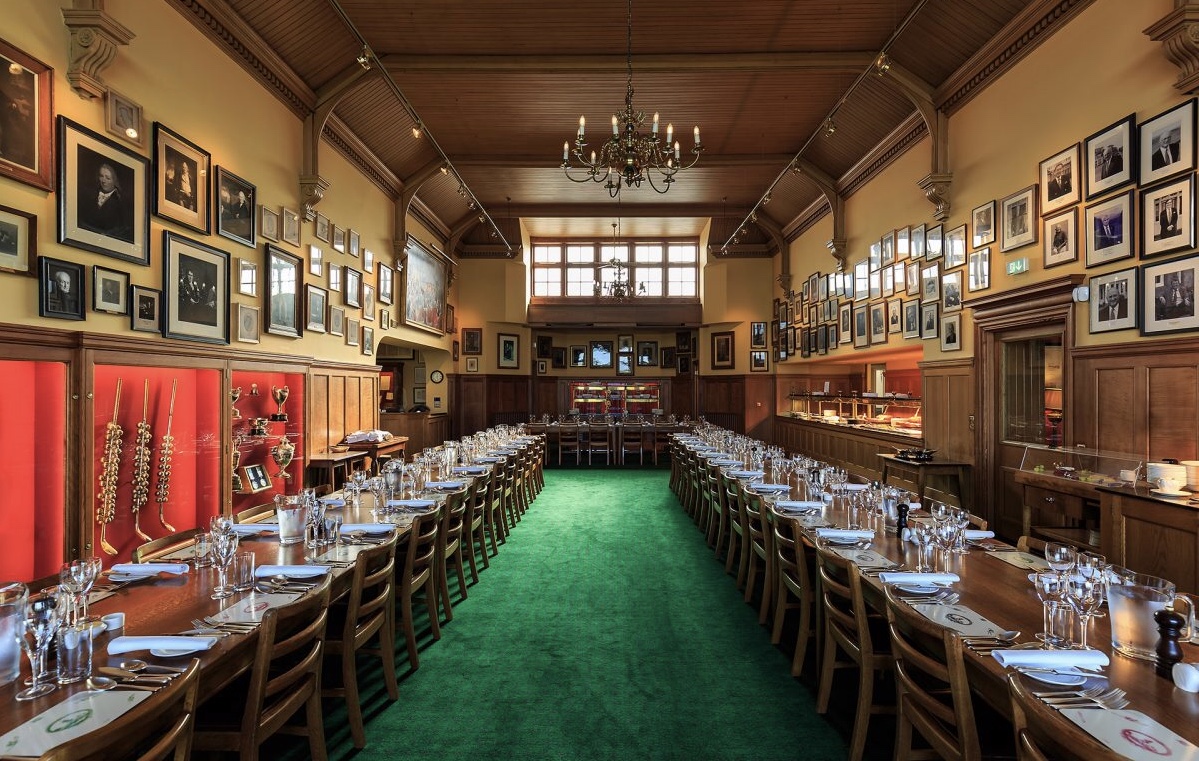
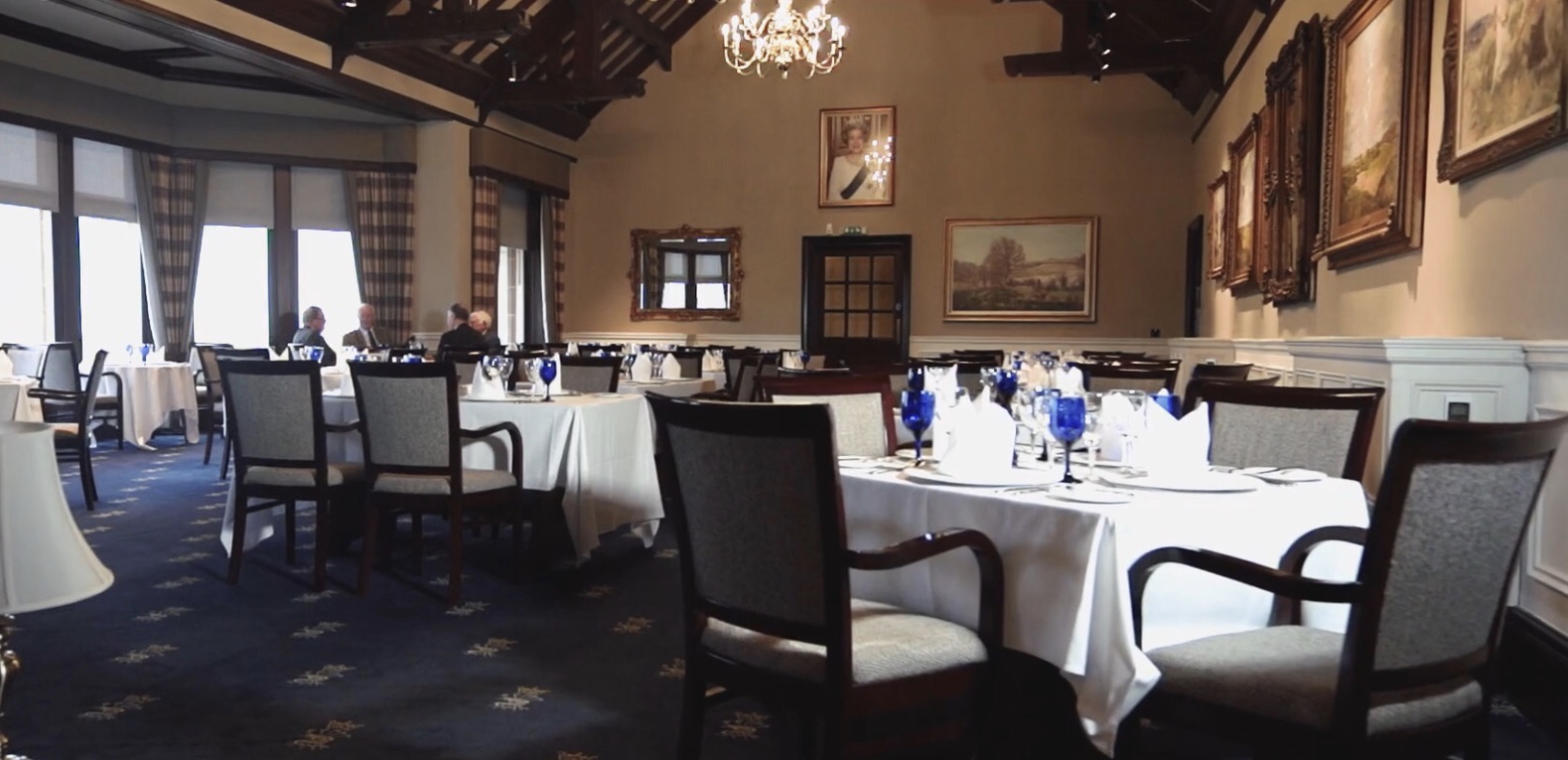
There is a traditional clubhouse just behind the 18th green and it is one of the iconic images in world championship golf. The main rooms look over the course and have an amazing memorabilia collection. The grand centrepiece is the Dining Room, retained as per the original aesthetic. The members have the pleasure of dining here surrounded by history.